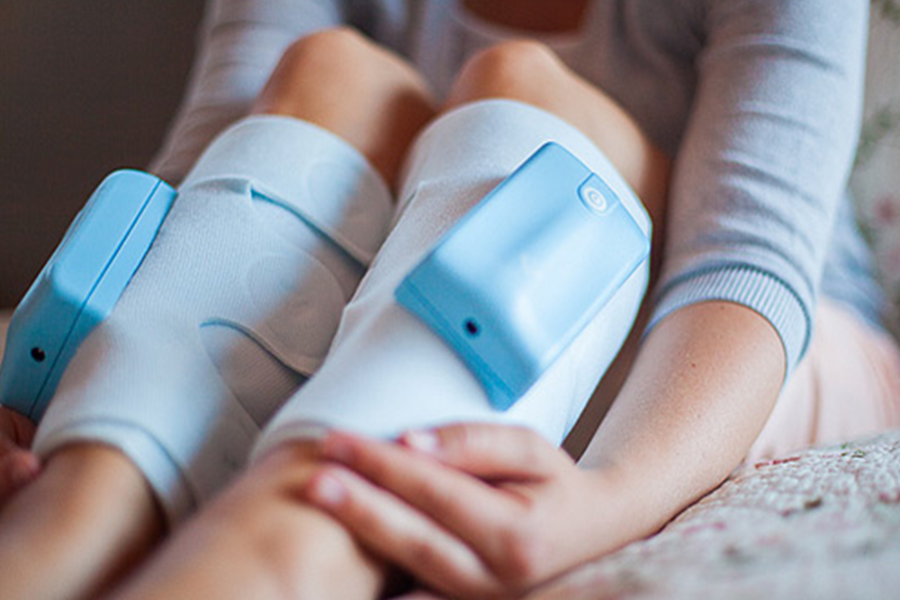
A sequential compression device is used to help improve blood flow in the legs or limbs. It uses inflatable sleeves that gently squeeze and release in a set pattern. Doctors often use this type of device for people who cannot move much after surgery, illness, or long hospital stays.
A sequential compression device may also be used in some therapy plans for swelling problems such as lymphedema. It is not a device people should use without guidance. The right pressure sleeve size, timing, and medical reason should be decided by a healthcare professional.
What Is A Sequential Compression Device
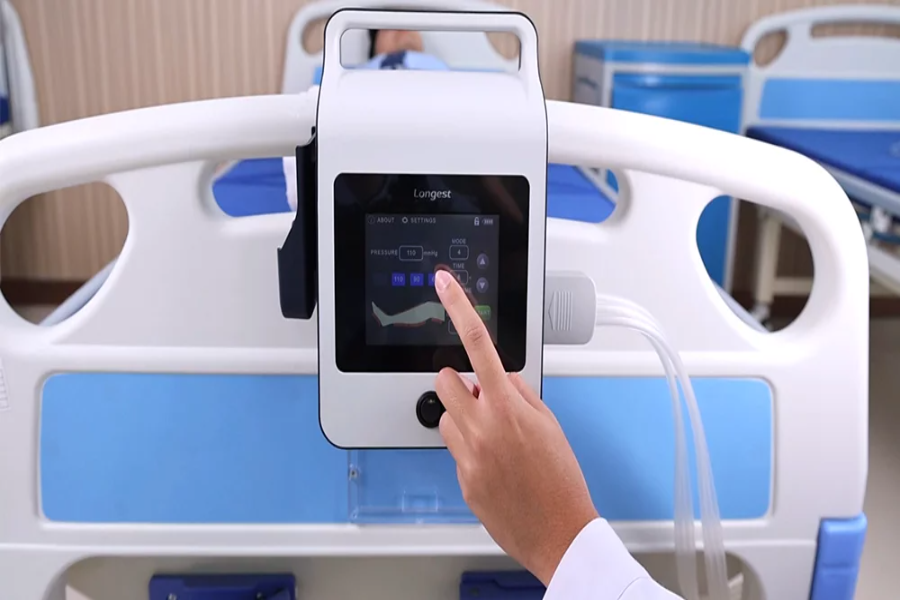
What is a sequential compression device is a common question for patients and caregivers. It is a machine that connects to soft sleeves placed around the legs arms or other treated areas. The machine fills the sleeves with air in a sequence. This creates gentle pressure that helps move blood or fluid through the body. Johns Hopkins explains that intermittent pneumatic compression devices use cuffs that fill with air and squeeze the legs to increase blood flow.
A sequential device is different from a simple compression sock. A sock gives steady pressure. This device gives active pressure that inflates and deflates. That movement can help reduce the risk of blood clots in some hospital patients. Cleveland Clinic says these devices help prevent DVT and other blood clots when people are not moving much.
Scd Sequential Compression Device
Scd sequential compression device is another name many people use for this equipment. SCD usually stands for sequential device. Hospitals often use SCD sleeves on the legs before after or during surgery. The goal is to support circulation when a patient is lying down for a long time and cannot walk normally.
A sequential compression device may reduce the chance of deep vein thrombosis also called DVT. DVT means a blood clot forms in a deep vein often in the leg. MedlinePlus says SCDs wrap around the legs and periodically inflate and deflate with air. This can help increase blood flow through the veins.
Airos 6 Sequential Compression Device
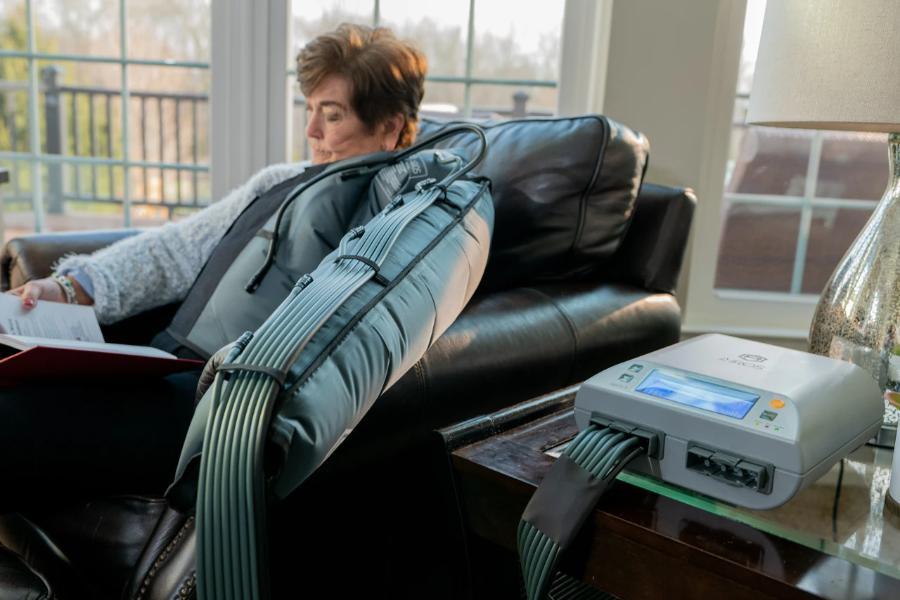
Airos 6 sequential compression device is a specific product used for compression therapy. AIROS Medical describes the AIROS 6 as a sequential compression pump and garments system that may be used by lymphedema patients seeking pain relief. It is part of a product line made for home or clinical compression therapy needs.
The AIROS 6 manual describes the device as a gradient pneumatic compression device. It says the device is used for treatment and management of venous or lymphatic disorders. It also says gradient sequential compression increases blood flow and supports extracellular fluid clearance. This shows why a compression device may be used for different medical needs beyond hospital clot prevention.
Sequential Compression Device Use
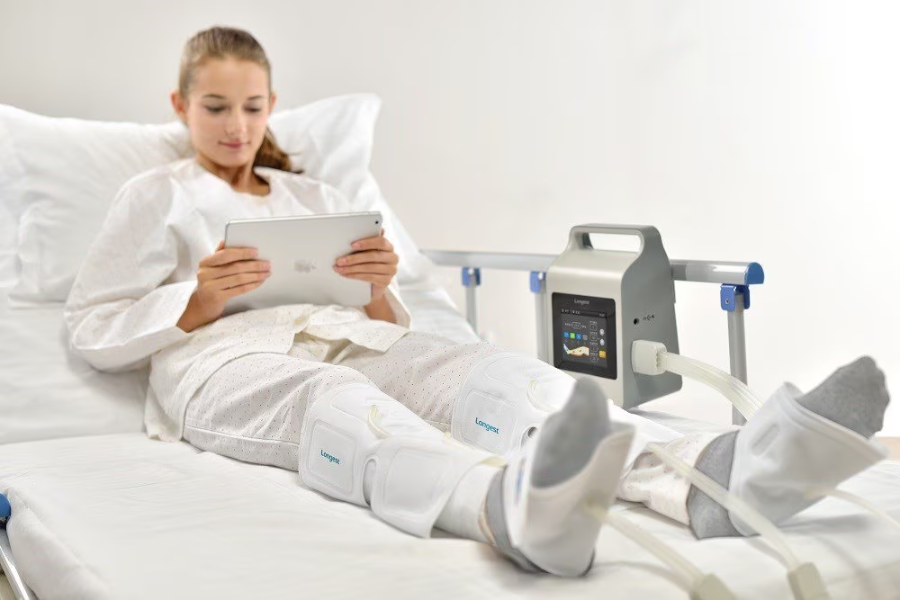
Sequential compression device use should follow medical advice. A doctor nurse therapist or trained provider should explain when to wear it and how long each session should last. The sleeves should fit correctly. If the sleeve is too tight loose twisted or placed wrong it may not work well and may feel uncomfortable.
A compression device is often used for patients with low movement after surgery or during hospital care. It may also be prescribed for some venous or lymphatic problems. Medline product information says some DVT pumps provide intermittent and sequential options for DVT reduction in acute care settings before during and after surgery based on clinician judgment and facility protocols.
Benefits And Safety Tips
A sequential compression device may support blood flow and help reduce swelling when used correctly. It can be useful when walking is limited. It may also be part of a larger care plan with movement exercises medicine hydration and follow-up visits. It should not replace medical treatment unless your provider says so.
Safety matters because compression is not right for everyone. Tell your healthcare provider if you have severe pain numbness skin wounds infection heart failure circulation disease or a known blood clot. Do not change pressure settings without approval. Stop and call your provider if the device causes strong pain color change tingling or unusual swelling.
Choosing The Right Device
Choosing a sequential compression device depends on the medical reason. A hospital DVT prevention device may be different from a home lymphedema therapy pump. Sleeve length chamber number pressure range cycle time and garment fit can all matter. A healthcare provider should match the device to your condition and prescription.
Read more: Samsung Galaxy A35 5g Reviews, What 16 Honest Pros Reveal
Do not buy a compression device only because it looks popular online. Check if it is meant for your condition. Ask about warranty support garment replacement and cleaning instructions. If insurance or Medicare is involved ask the supplier what documents are needed. The best device is the one that fits your treatment plan safely.
Final Thoughts
A sequential compression device can be helpful for blood flow support DVT prevention and some swelling treatment plans. It inflates and deflates sleeves in a controlled pattern. This gentle pressure can help move blood or fluid when the body needs extra support. Still it should be used for the right reason.
If your doctor recommends a sequential compression device ask clear questions. Learn how to wear the sleeves how long to use it how to clean it and when to stop. Also ask what symptoms need urgent help. With proper instruction this device can be a useful part of safe medical care.
FAQs About Sequential Compression Device
Q1. What is a sequential compression device?
A compression device is a machine that uses air-filled sleeves to gently squeeze and release parts of the body. It helps support blood or fluid movement.
Q2. Why do hospitals use SCD devices?
Hospitals use SCD devices to help reduce DVT risk in patients who cannot move much after surgery illness or long bed rest.
Q3. Is a sequential compression device the same as compression socks?
No. Compression socks give steady pressure. A compression device gives active pressure by inflating and deflating sleeves.
Q4. What is the AIROS 6 sequential compression device?
AIROS 6 is a compression therapy pump system used with garments. It may be used for venous or lymphatic disorder management under medical guidance.
Q5. Can I use a sequential compression device at home?
Yes, if a healthcare provider recommends it. Home use should follow the prescribed pressure schedule sleeve type and safety instructions.
Q6. Does a sequential compression device hurt?
It should feel firm but not painful. Stop use and contact a provider if you feel strong pain numbness tingling or skin color changes.
Q7. Who should avoid using this device?
People with certain circulation problems skin issues infection heart problems or known blood clots may need to avoid it. Always ask a healthcare provider first.
